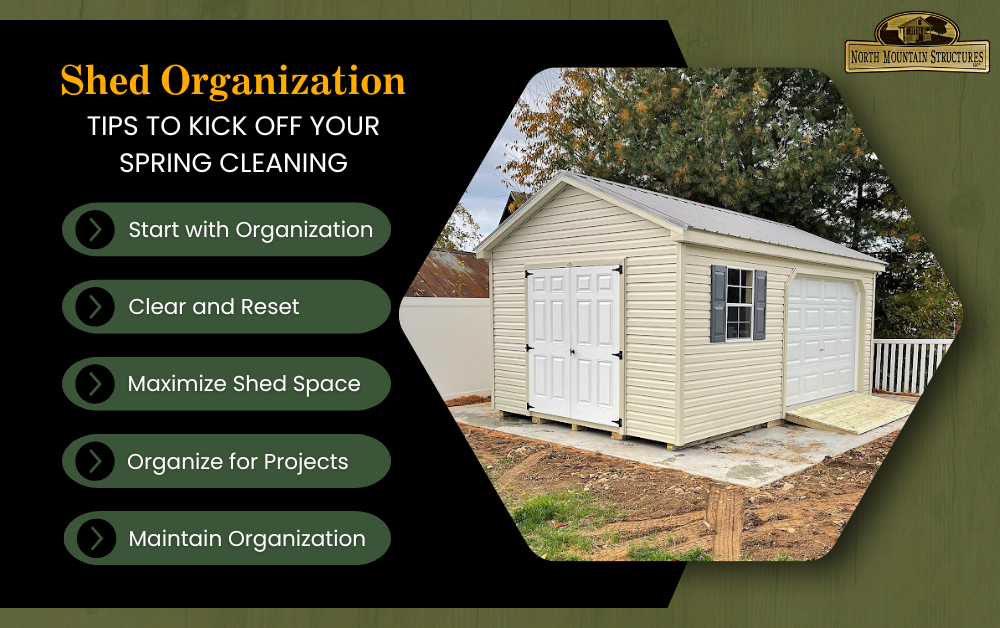
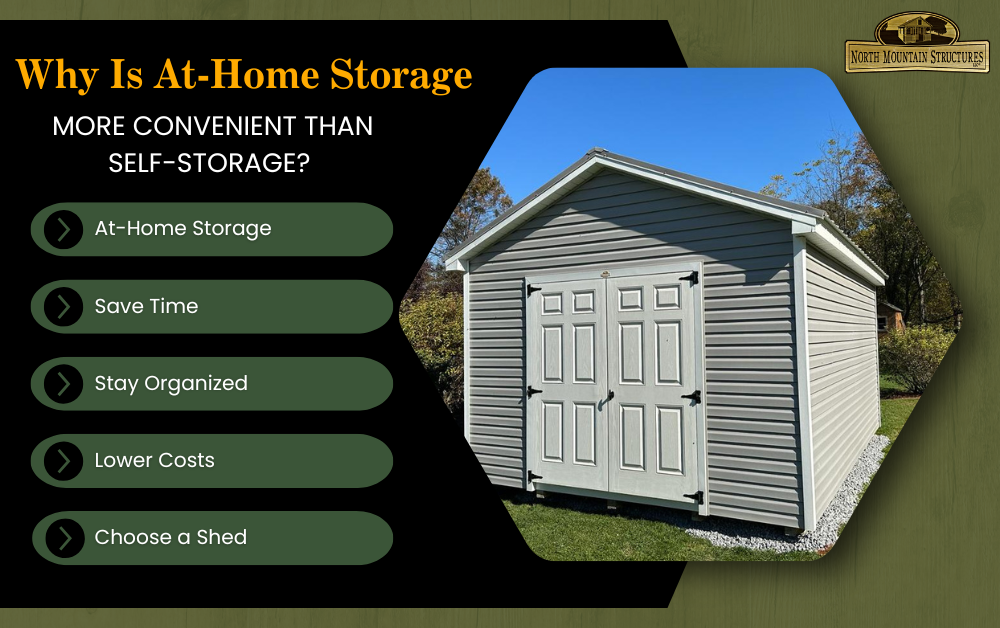
Spring cleaning doesn’t have to start inside your home. For many homeowners, the most productive place to begin is right in the backyard. After a long winter of storing tools, seasonal equipment, and half-finished projects, sheds often become cluttered and hard to navigate.
Getting ahead of that mess with a few smart shed organization tips can make the entire spring season run more smoothly. An organized shed saves time, reduces frustration, and helps you stay focused on the projects you actually want to tackle. Whether you’re gearing up for gardening, yard work, or DIY projects, starting your spring cleaning with shed organization sets the foundation for a more productive season.
Why Shed Organization Is the Best Place to Start Spring Cleaning
Starting your spring cleaning with shed organization creates momentum that carries into every outdoor project that follows. When tools, equipment, and supplies are easy to find, you spend less time searching and more time getting things done. That alone can make spring projects feel far more manageable.
An organized shed also helps you take stock of what you already have. As you sort and reset the space, it becomes clear which tools are missing, which supplies need replacing, and what no longer serves a purpose. This prevents unnecessary purchases and keeps your projects efficient from the start.
Finally, good shed organization improves safety and accessibility. Clear walkways, properly stored tools, and secure shelving reduce the risk of accidents while making your shed a more functional workspace throughout the spring and summer months.
Empty, Sort, and Reset Your Shed Space
The most effective shed organization starts with a clean slate. Emptying the shed may feel like extra work, but it allows you to see the space clearly and rethink how it should function. Once everything is out, it becomes easier to clean the floor, check for moisture or damage, and plan a layout that actually makes sense.
As you sort through items, group them by purpose and season. Tools used for spring and summer projects should stay accessible, while winter-only items can be stored higher or toward the back. This is also the right time to be honest about what you no longer need. Broken tools, duplicate supplies, and unused equipment only take up valuable space.
Resetting the shed with intention sets the tone for the rest of your spring cleaning. By returning only what belongs in the space and organizing it thoughtfully, you create a shed that supports your projects instead of slowing them down.
Practical Shed Organization Tips That Maximize Space
Once the shed is cleared and reset, it’s time to focus on organization strategies that make the most of the space you have. Even small sheds can feel larger and more functional with the right layout and storage solutions.
- Use wall-mounted hooks and hangers for tools, ladders, extension cords, and yard equipment to keep the floor clear
- Install shelving to store bins, planters, and supplies while keeping items visible and easy to reach
- Take advantage of vertical space with tall shelves or stacked storage for seasonal items
- Use loft or overhead areas for bulky items that are not needed regularly
- Group and label storage bins by activity, such as gardening, lawn care, or DIY projects, to speed up access
These shed organization tips help create a clear system that maximizes space while keeping everything easy to find. With the right setup, your shed becomes a functional workspace instead of a cluttered storage area.
Organizing for Spring Projects and Everyday Use
Effective shed organization is not just about where items fit, but how easily they can be used. Once storage systems are in place, the layout should support the types of projects you plan to tackle throughout the spring and summer.
Creating designated zones can make a big difference. Gardening tools, lawn care equipment, and DIY supplies should each have their own area so items are not constantly being moved or misplaced. Tools used weekly should stay within arm’s reach, while less frequently used equipment can be stored higher or farther back.
By organizing the shed around how you actually work, the space becomes more intuitive. This approach keeps projects moving efficiently and helps maintain shed organization long after spring cleaning is finished.
Maintaining Shed Organization All Season Long
Shed organization does not end once spring cleaning is complete. Keeping the space functional throughout the season comes down to a few simple habits that prevent clutter from building back up.
Putting tools and equipment away after each project helps maintain order and keeps everything easy to find. Returning items to their designated zones ensures the system continues to work as intended. Periodically checking shelves and storage areas also helps catch clutter before it becomes overwhelming.
Over time, you may notice that your storage needs have changed. If tools are constantly competing for space or walkways begin to feel cramped, it could be a sign that your current shed no longer fits your needs. Maintaining shed organization is easier when the structure itself is designed to support how you use it.
Conclusion
Starting your spring cleaning with shed organization sets the stage for a more productive and less stressful season. When tools, equipment, and supplies are easy to access, outdoor projects feel more manageable and enjoyable. A well-organized shed saves time, improves safety, and helps you make the most of every project as warmer weather arrives.
If your shed no longer provides the space or layout you need to stay organized, it may be time to consider an upgrade. North Mountain Structures offers high-quality storage sheds designed to fit your property and your workflow. Contact their team to explore shed options that make staying organized easier all year long